
Ep 12- Immigration Raids Disrupt Youth Sports
Kids in Minnesota are disappearing from the places they once showed up every day: first school, and now youth sports. Teams are feeling the impact of the immigration crackdown as some families keep their children home, worried about the risk of detention. Bob Cruz, who leads the West Side Boosters, has taken on new responsibilities to help keep his community safe. Determined to keep his youth sports program running, he’s also grappling with the frustration of seeing how the crackdown is affecting children and families across his tight-knit neighborhood of St. Paul.
“Seeing this will break you down. Last Monday, I broke down crying. This is not what we should be doing. This is not what I should be doing. My focus should be on the kids and just running a program. ”
To learn more about the West Side Boosters and to donate
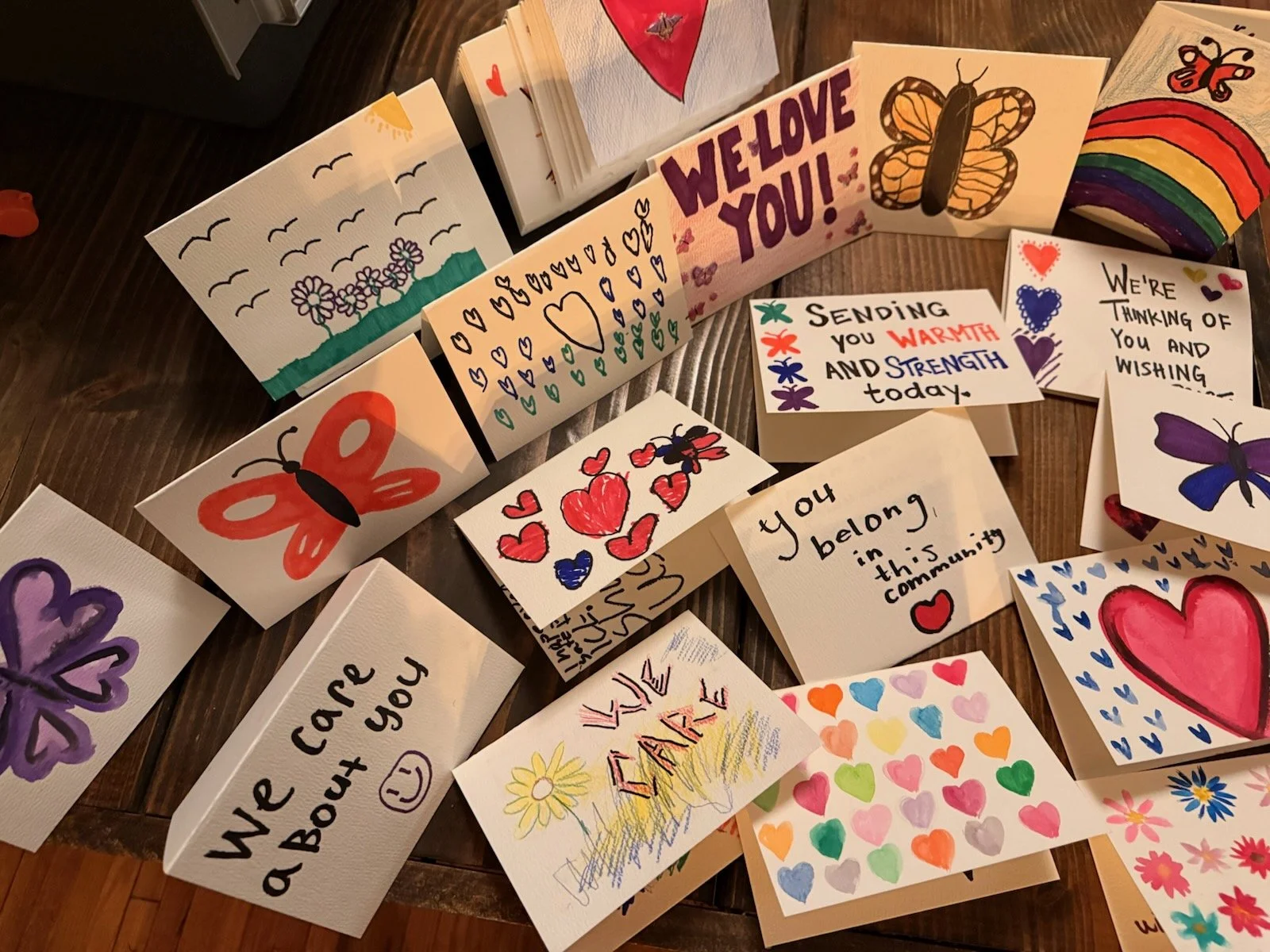
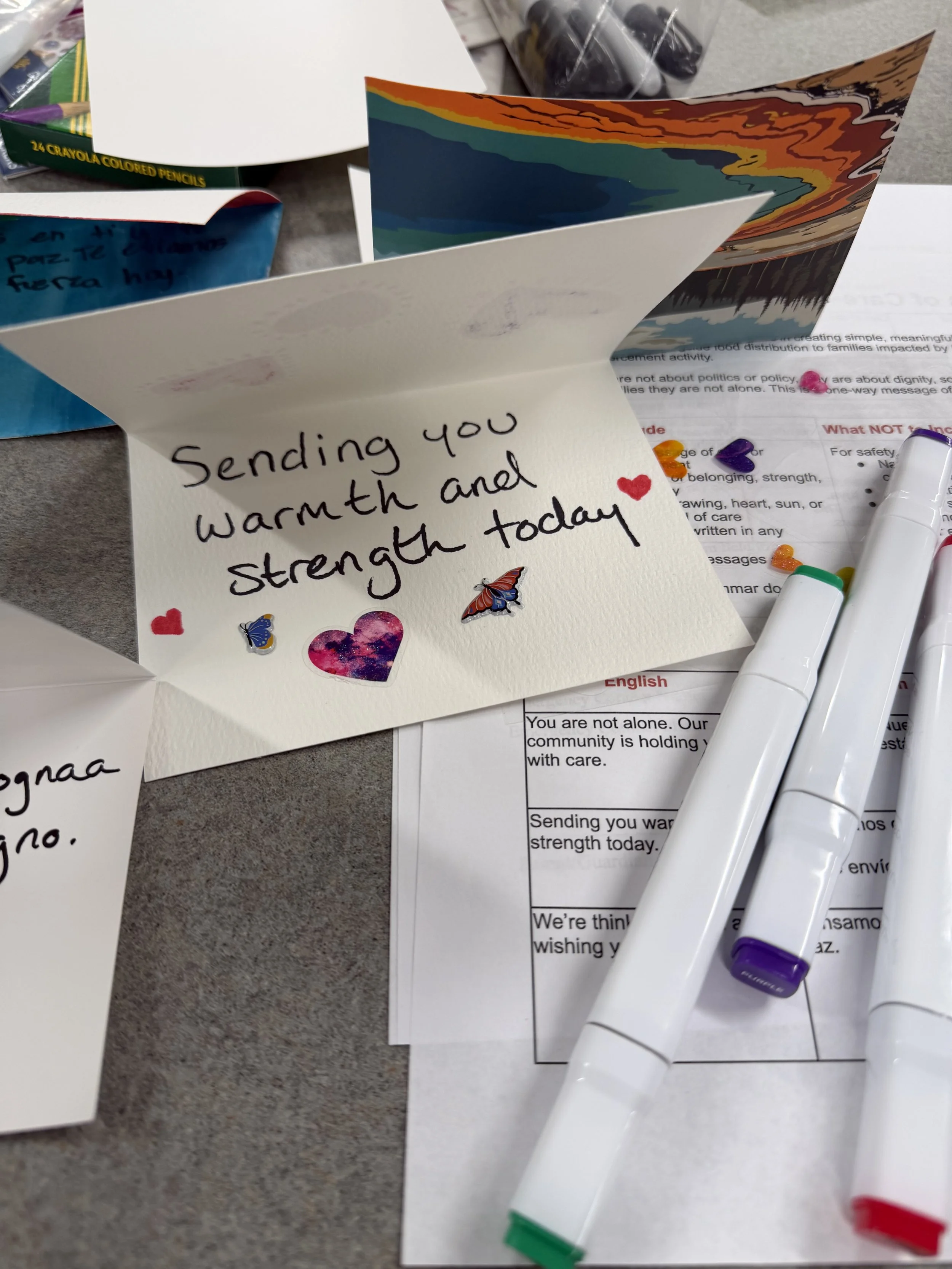
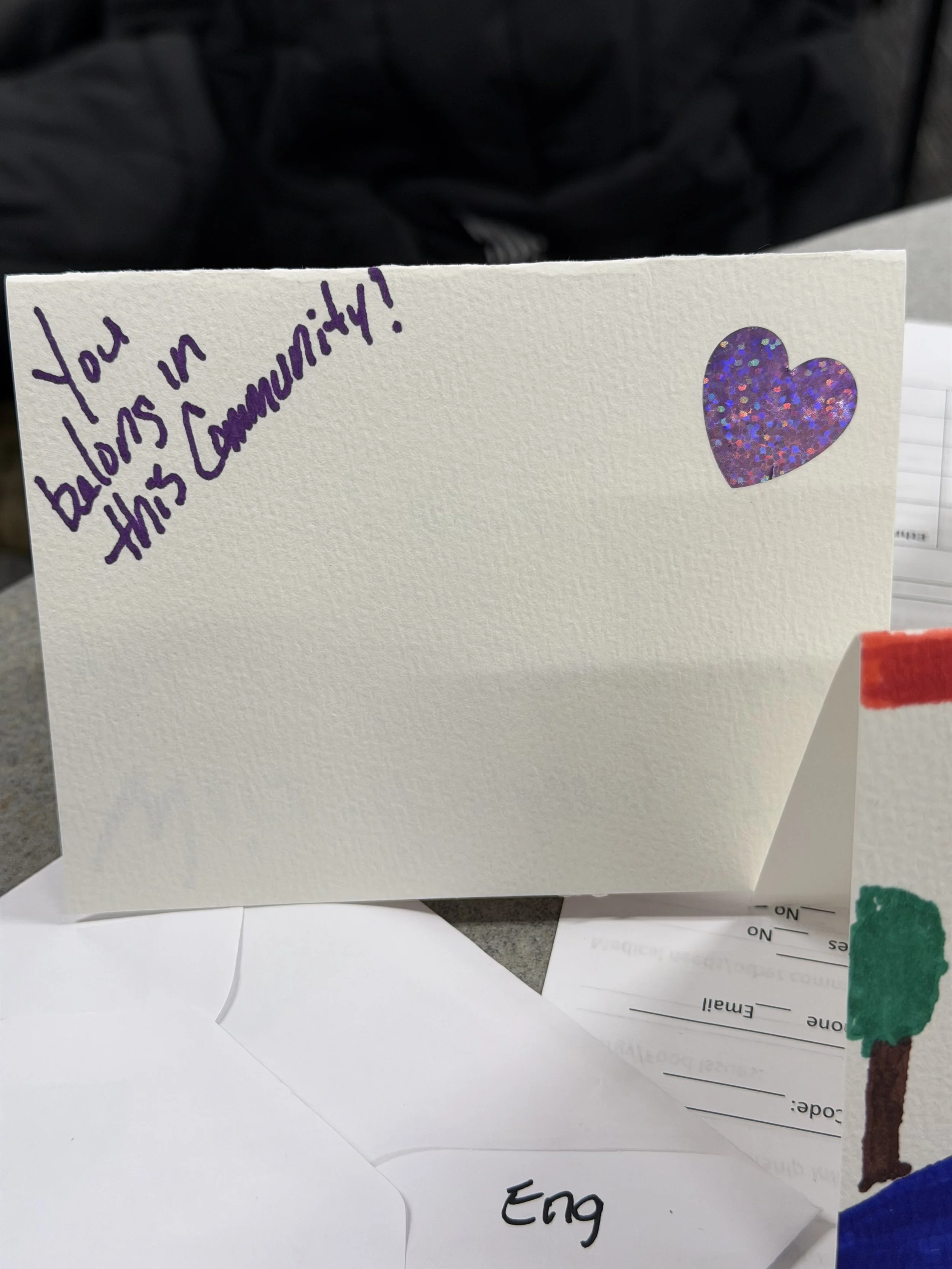
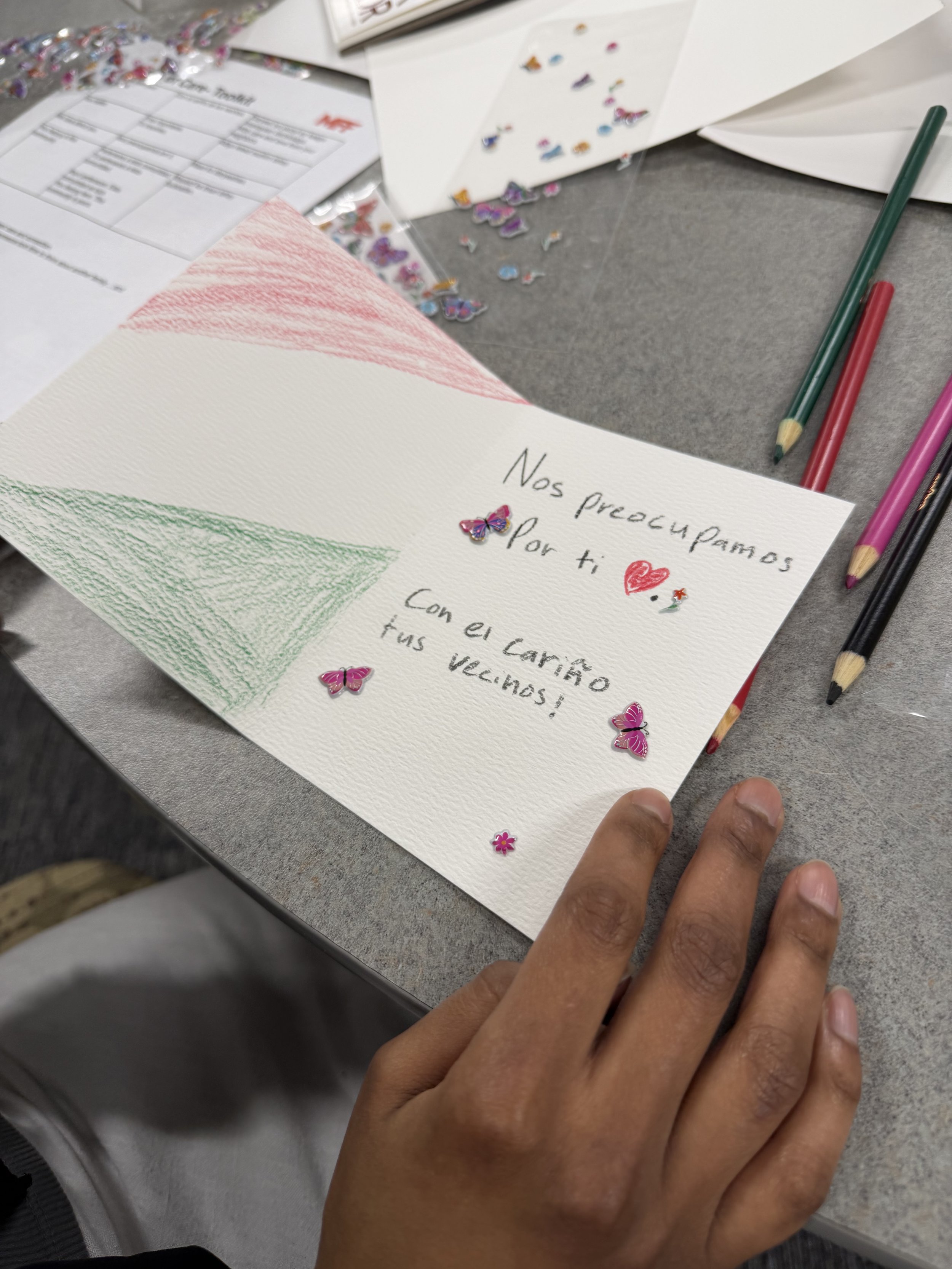
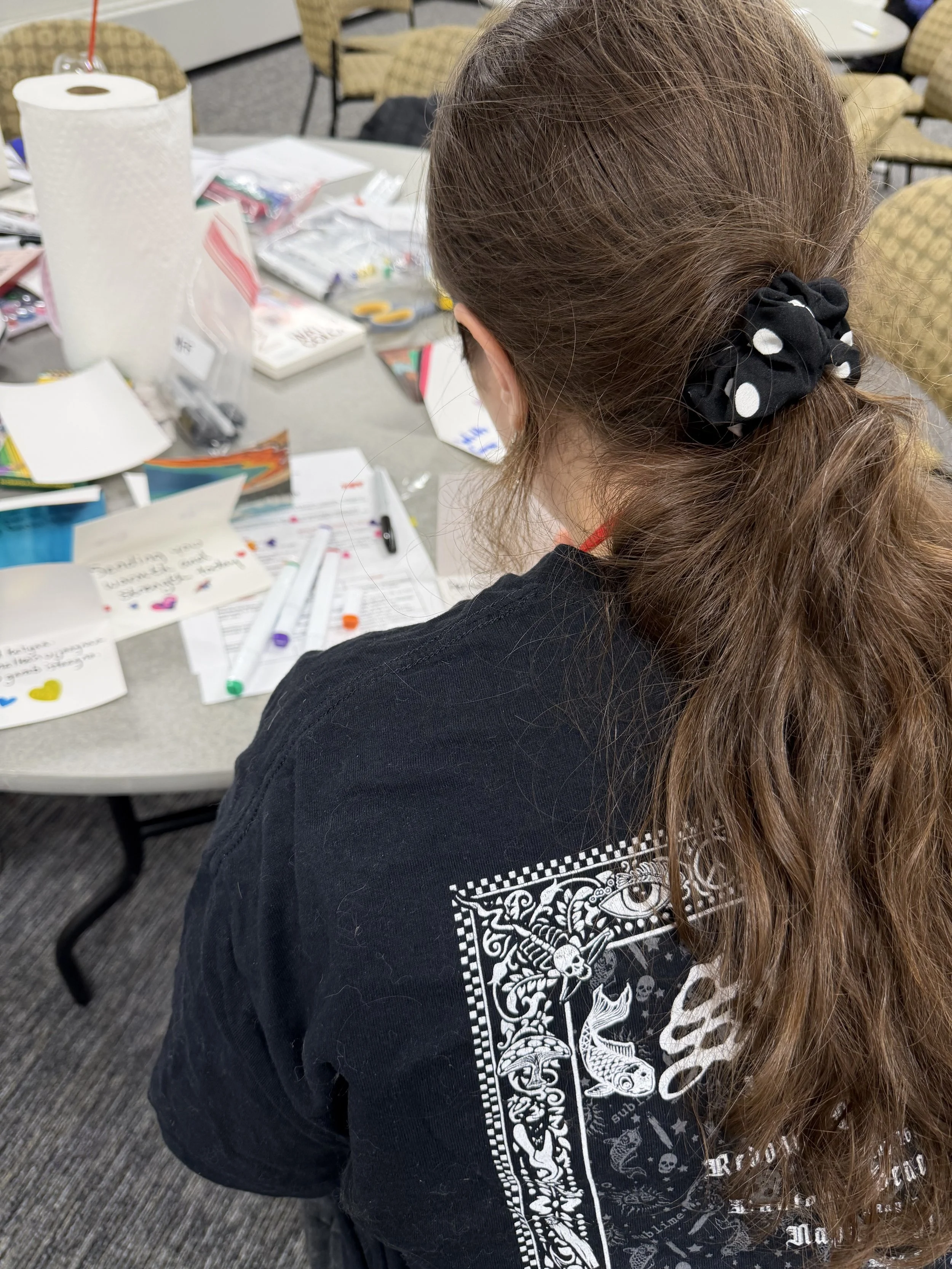
Kids from the West Side Boosters made cards of support to be included in grocery bags being delivered to immigrant families, too afraid to leave their homes.

OUR INTERVIEW HIGHLIGHTS
West Side Boosters Overview and History
The West Side Boosters was established in 1970 to provide sports opportunities for minority children who faced exclusion due to their race and location.
Initially, the program focused on football, later expanding to basketball, baseball, softball, volleyball, cheerleading, and flag football.
The organization serves up to 1000 kids, primarily people of color, and aims to give children a chance to play sports.
Current Community Distress and Impact on Programs
The community is in distress, with kids not attending basketball or volleyball programs due to family issues, including deportations and job losses.
Families are stuck inside, and children are not going to school, leading to significant fear and anxiety.
ICE has been actively present in the community, picking up people and causing terror, especially around the West Side Boosters' facilities.
Executive Director Bob Cruz describes personal experiences with ICE, including a 24-year-old girl being detained for eight hours and the general fear and intimidation caused by ICE's presence.
ICE's Tactics and Community Reactions
ICE agents are stopping people without warrants, asking if they are citizens, and using intimidation tactics like asking names and checking accents.
Cruz shares a personal experience of being approached by ICE outside El Burrito Mercado, where they asked his name while wearing masks.
ICE agents are known to taunt the community, calling them "pussies" and threatening that they won't be able to protect the area forever.
The community is taking measures to protect each other, including providing rides to work, blocking doors to grocery stores and restaurants, and delivering groceries to families.
Challenges in Delivering Aid and Community Support
Cruz describes the challenges of delivering groceries to families while avoiding ICE, including making U-turns and taking pictures to scare off ICE agents.
Families are scared to open their doors, and Cruz emphasizes the fear and heartbreak visible on their faces.
The community is struggling with the impact of ICE's presence on children's education, mental health, and ability to participate in sports.
Community Efforts and Personal Struggles
Cruz is not just running a youth sports program but also coordinating community support efforts, including delivering groceries and other essentials.
The community is tight-knit, and various coaches and community members are working together to protect each other and provide support.
He struggles with the emotional toll of the situation, breaking down in tears and feeling overwhelmed by the responsibilities and challenges.
Impact on Nonprofit Operations and Community Engagement
The nonprofit is still operating, but some kids are not showing up, and Cruz is determined to keep sports programs running as a normalcy for the kids.
Cruz is also delivering food and other essentials to families, asking about their needs to ensure they receive the right support.
Call for Action and Systemic Change
Cruz is frustrated with the impact on children and families, feeling that the system is not addressing the root causes of the community's distress.
He is determined to continue supporting the community, despite the challenges and personal toll, and is advocating for a more supportive and equitable system.